

Boat accident liability cases begin with one stark fact: mechanical failures or faulty gear cause a large share of severe on-water injuries and losses.
Their impact can be sudden—a stuck throttle, a leaking fuel line, or a failed steering system can turn a routine outing into a life-changing event.
Determining fault means looking beyond operator conduct to maintenance records, manufacturing histories, and safety device compliance under federal law.
Technical evidence and expert analysis often decide who is responsible, whether an owner, service provider, or manufacturer. Early documentation and prompt investigation protect rights and preserve claims.
For guidance on how parties are assigned responsibility and how federal and state rules interact, see a focused primer on who may be at fault in such incidents at who is liable in a boating.
Key Takeaways
- Mechanical defects can create severe injuries and costly harm in a moment.
- Liability may extend to operators, owners, repairers, and manufacturers.
- Federal safety rules and state deadlines shape legal options and timing.
- Early evidence collection and expert inspection are critical.
- Missing or faulty safety equipment increases risk and expands exposure.
Boat Accident Liability And Mechanical Failure: What It Means For Your Case
When critical components fail, determining which party bears fault becomes more complex than simple operator error.
Mechanical failure differs from pure negligence because it shifts attention to design, manufacturing, and service histories. Evidence needs include maintenance logs, parts preservation, and expert analysis.
Fault can extend beyond the operator to owners, manufacturers, repair shops, or rental companies when a defective part or poor service caused the event. Operators still have baseline duties.
An operator must perform pre-departure checks, control speed for conditions, and confirm required safety equipment is on board and functioning. Failure to do so raises comparative fault and can increase recoverable damages.
Jurisdiction matters: maritime rules typically apply on navigable water, while state laws govern smaller inland waters. That choice changes standards and where the case proceeds.
- Different failed components lead to different analyses (engine vs steering vs electrical).
- Many incidents blend negligence and equipment failure; insurers may react differently to defect claims.
- Document conditions and preserve parts quickly to protect a claim for medical costs, lost income, repairs, and non‑economic damages.
Common Mechanical Failures And Defective Equipment That Cause Boating Accidents
A single failed component can cascade into multiple system losses and produce severe on-water consequences. Identifying the primary cause quickly helps preserve parts and evidence for later review.
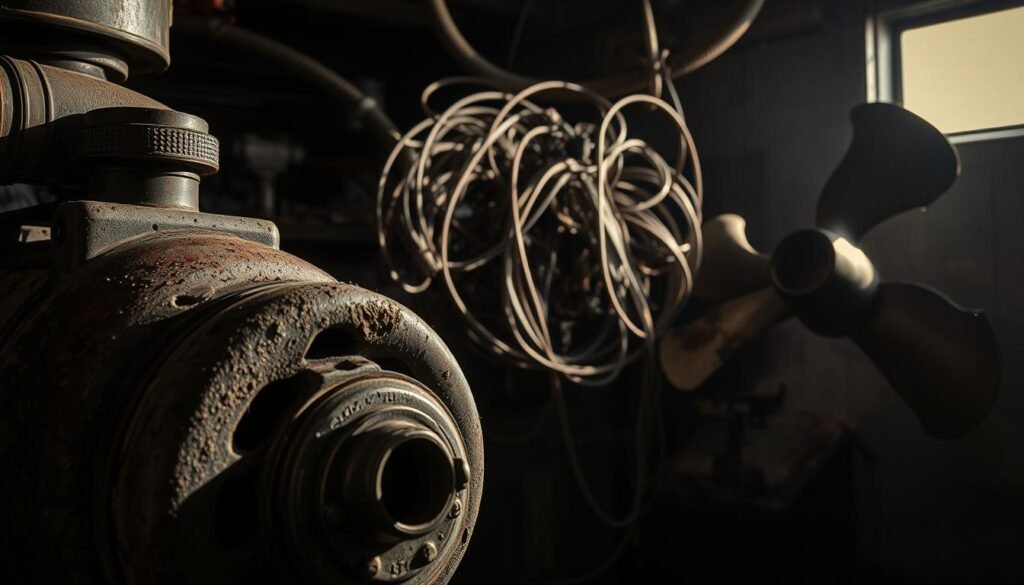
Engine And Fuel System Failures Leading To Collisions Or Loss Of Control
Engine or fuel system loss—like sudden stall or fuel starvation—removes maneuverability. That creates a high risk of collisions in traffic lanes or near fixed hazards.
Steering, Throttle, And Electrical System Malfunctions On The Water
Steering or throttle failures limit the vessel’s ability to avoid obstacles and ride waves safely. Electrical faults can disable bilge pumps, navigation lights, or ignition, compounding risk in poor visibility or rough conditions.
Safety Equipment Defects: Life Jackets, Fire Extinguishers, And Signaling Devices
Missing or defective safety equipment can turn a survivable incident into severe harm for passengers. Federal rules require devices such as gas ventilation, flame arresters, fire extinguishers, and visual distress signals. Documenting their condition matters.
| Failure Category | Typical Effect | Evidence To Preserve |
|---|---|---|
| Engine/Fuel | Loss of propulsion, collisions | Fuel lines, filters, logs |
| Steering/Throttle | Loss of control, impact with objects | Control cables, throttle assembly |
| Electrical | Lights/outage, pump failure | Wiring harnesses, battery records |
| Safety Equipment | Increased injury severity | Life jackets, extinguisher tags, signals |
Note: Even when alcohol is suspected, documented defects can trigger manufacturer claims in addition to operator-related issues. For more on common causes and claim impact, see common causes of boating injuries.
Who May Be Liable After A Boating Accident Caused By Equipment Failure
Determining who must answer for a system failure requires tracing design, maintenance, and use. The process maps where fault may lie and which party should face a claim for property or bodily harm.
The Boat Operator And Owner: Maintenance, Negligence, And Fault
Operators and owners can be held responsible when they skip maintenance, ignore warnings, or let an unqualified person run the craft. Failure to keep required gear or to fix known defects shifts fault toward the owner or boat operator.
Manufacturers And Distributors Under Product Liability Law
Manufacturers and distributors face claims when a part is defective in design, production, or warnings. A defective engine, steering component, or control module can form the basis of a product defect claim against the maker.
Maintenance And Repair Services For Improper Service Or Installation
Repair shops and technicians bear exposure for bad installations, missed recalls, or work that failed to correct a known problem. Service invoices and serial numbers often prove whether the repair party met industry standards.
Rental Companies And Government Entities For Unsafe Vessels Or Waterway Conditions
Rental firms must provide seaworthy boats with working safety gear and clear instruction. When they fail, fault can shift to the rental provider. Government entities may also be liable for unmarked hazards, poor channel maintenance, or unsafe docks, though notice rules often differ.
- Multi‑party claims are common when operator error and equipment failure combine.
- Early contact with an attorney or personal injury lawyer helps preserve evidence like serial numbers, service records, and rental checklists.
Maritime And State Laws: How Jurisdiction Affects Your Boating Accident Lawsuit
The waterway’s status—navigable or inland—often dictates the legal path and remedies available.
Maritime law usually governs incidents on navigable waters like oceans, large rivers, and the Great Lakes. State laws more often apply on smaller, intrastate lakes and streams.
Admiralty Jurisdiction On Navigable Waters Versus State Law On Inland Lakes
Admiralty jurisdiction can change venue, limit jury availability, and impose unique defenses. State courts may allow different procedures and damage rules.
Federal maritime claims commonly use a three-year statute of limitations for personal injury. State filing deadlines vary by jurisdiction and can affect strategy and timing.
Product Liability And Negligence Standards Under Maritime Law
Under maritime law, negligence and product-defect standards may differ from state rules. This affects burden of proof, available remedies, and how courts treat manufacturer claims.
“Confirm navigability early, preserve jurisdictional arguments, and calendar years-based deadlines to safeguard claims.”

| Issue | Maritime Law | State Law |
|---|---|---|
| Where It Applies | Navigable waters used in interstate commerce | Smaller, intrastate lakes and rivers |
| Statute Of Limitations | Often three years | Varies by state (example: South Carolina ~ three years) |
| Procedural Effects | Differing venue, remedies, and defenses | Local rules, possible jury trials |
For deeper guidance on how maritime law may influence a claim, consult this primer on maritime law and your case.
Proving Fault In A Boat Accident Involving Defective Equipment
Proving fault after a mechanical failure begins with quick, methodical steps. Reporting to the U.S. Coast Guard or local marine patrol is required in many incidents. Photograph damage, capture video of failed parts, and record injuries right away.
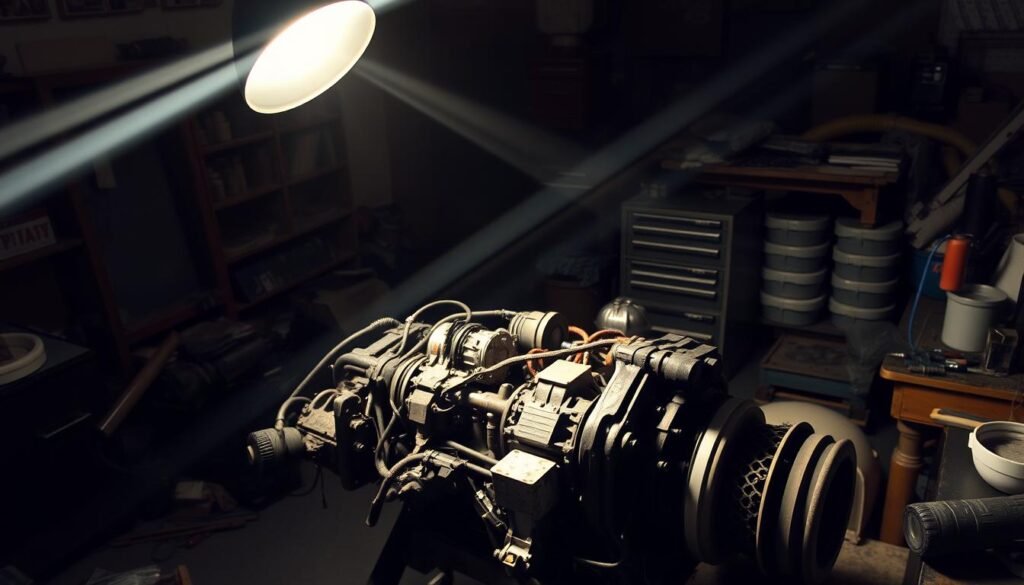
Critical Evidence: Coast Guard Reports, Photos, Maintenance Logs, And Witnesses
Secure the Coast Guard report and collect witness contacts. Preserve maintenance logs, service invoices, and any recall notices that match serial numbers.
Expert Analysis: Engineers, Accident Reconstruction, Weather, And Wake Factors
Engineers and reconstructionists test components and sequence events. Meteorological experts explain sea and wake conditions that may have contributed. Early expert work prevents spoliation and strengthens the case against manufacturers or repair shops.
Timelines And Statute Of Limitations Under Federal And State Law
Federal maritime law generally gives three years to file, though states vary. An attorney or lawyer should preserve evidence and track testing time needed before litigation. Note intoxication evidence when relevant, but focus remains on whether a defective part independently caused or contributed to the incident.
Damages, Insurance, And Recovery Options After A Boating Accident
When mechanical failure causes harm, victims must quantify both immediate bills and lasting life changes.

Economic losses include medical expenses, future care, and lost income. Courts also recognize non‑economic harms such as pain, suffering, and diminished quality of life. Recoverable damages may cover property damage to the vessel and personal effects.
Economic And Non‑Economic Damages: Medical Bills, Lost Income, And Pain And Suffering
To prove losses, gather medical records, wage statements, and expert forecasts of future care. Photographs and repair estimates document property damage and damage to onboard equipment.
Insurance Coverage, Claims Strategy, And When To File A Lawsuit
Many owners carry specialized insurance, but coverage limits and exclusions vary. Low policy limits or disputed coverage often force a claim against the at‑fault party. Coordinating claims avoids double recovery and addresses subrogation.
| Type Of Loss | Examples | Evidence Needed | Typical Recovery |
|---|---|---|---|
| Medical | ER visits, rehab, future care | Bills, treatment notes, expert reports | Past and projected expenses |
| Lost Income | Wages, lost promotions | Pay stubs, employer statements | Earned and future earnings |
| Property Damage | Vessel repair, personal items | Repair estimates, receipts, salvage value | Repair or market value |
| Non‑Economic | Pain, reduced leisure | Journals, testimony, medical opinions | Compensatory award |
For guidance on how claims and coverage interact with jurisdictional issues, consult an expert. See a helpful discussion on Ontario responsibilities Ontario liability guide and a practical overview of recoverable compensation compensation guide.
Conclusion
Prompt preservation and reporting of failed components set the foundation for a strong case. Act quickly: report the event, document damage, and secure the vessel and parts. Early action protects time-sensitive evidence and a future claim.
Picking the right legal path matters. Maritime law usually governs navigable waters while state laws apply on inland lakes. Federal claims often have a three‑year window, so count the years and file on time.
Damages go beyond medical bills to include property damage, lost income, and non‑economic harms. Insurance may fall short, making a lawsuit necessary against operators, manufacturers, or repair shops.
Operator influence and regulatory compliance often shape outcomes. Work with an experienced personal injury lawyer to marshal experts, handle multi‑party cases, and pursue full recovery. For more on who may be at fault, see liability in a boating accident.