
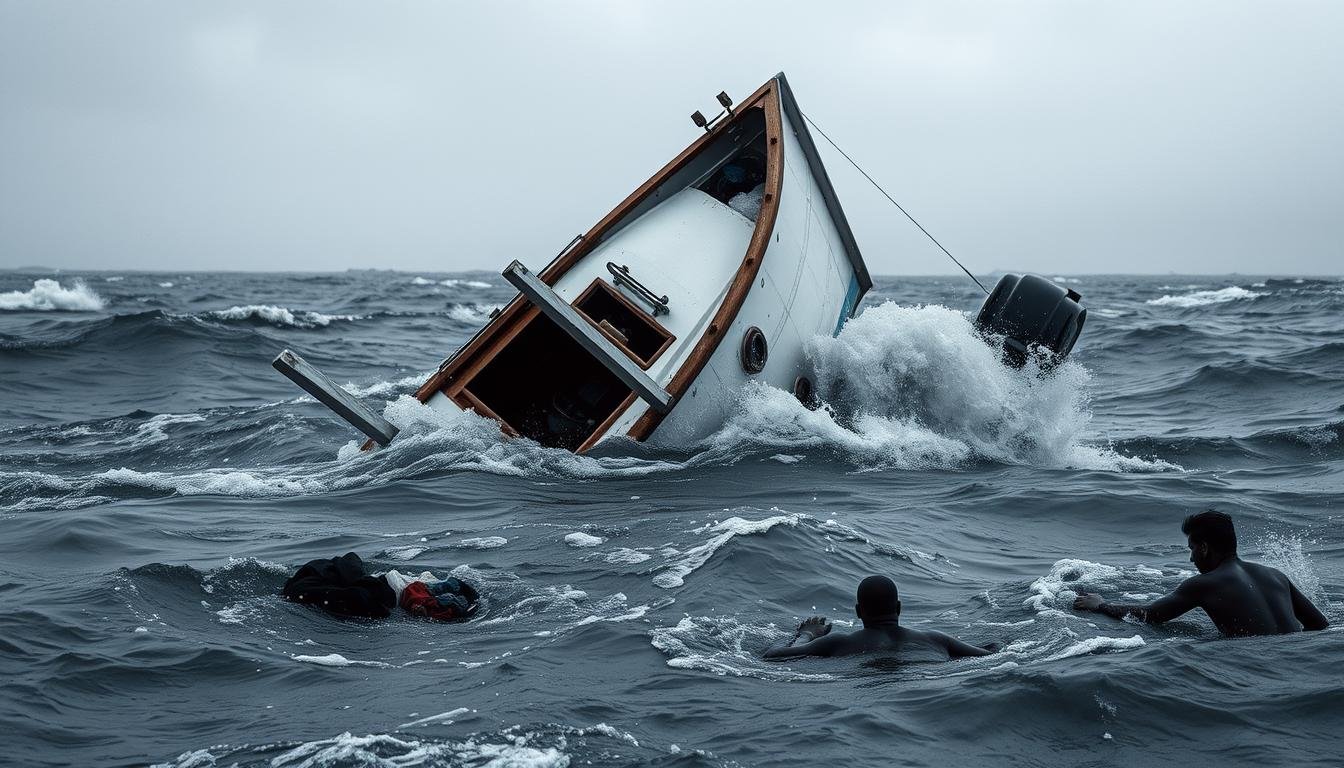
More than 40 lives were lost when a vessel sank off Mahdia, Tunisia, and investigators later linked the tragedy to overcrowding and rough seas.
This stark number frames how a single event can shape liability and legal exposure across borders. The report drew on UN figures showing thousands attempt the Central Mediterranean crossing each year, and officials use those patterns to understand risk.

The article examines how a boating accident unfolds, why it causes injury, and why establishing causation is central to any claim. It explains how time of day—morning, afternoon, or evening—and location near the coast change hazards for people and responders.
Readers will learn practical steps to preserve rights in the first crucial days: how to document details, coordinate with police and authorities, and gather media and website evidence that may prove fault.
Key Takeaways
- Major incidents reveal common causes that determine liability.
- Timing and location shift risk for people on inland and coastal waters.
- Prompt reports to police and officials protect a victim’s legal position.
- Evidence from onboard devices, witnesses, and broadcasters matters.
- Understanding negligence and causation guides recovery strategies.
News Context: Recent Boat Disasters And Official Investigations
News of deadly sinkings off North African waters has pushed authorities to open formal inquiries and share initial findings. At least 40 migrants, including children, died when a vessel sank near Mahdia; about 70 were aboard and roughly 30 were rescued.
Authorities Open Investigations After Deadly Capsizes Off The Coast
Authorities confirmed an investigation within days. Police and maritime teams secured the site and began collecting witness statements and electronic data.
Rescues, Hospitalizations, And Reports: What Officials And Police Confirm
Officials said children were among the victims. Morning and evening rescue shifts yielded a person-by-person accounting of survivors.
“The preliminary report documents timelines, numbers aboard, and early identifications that shape later liability analysis.”
- Context: UN data show over 210,000 Central Mediterranean attempts in 2023 and nearly 2,000 deaths.
- Prior incidents: A similar sinking off Sfax last February involved more than 40 Sudanese.
- Updates: Families and counsel track official website postings and the linked detailed report.
| Incident | People Aboard | Rescued | Investigation Status |
|---|---|---|---|
| Mahdia Sinking | ~70 | ~30 | Open |
| Sfax (Feb) | 40+ | Varied | Referenced |
| EU-Tunisia Pact | Policy | $118M Support | Active |
Common Causes Of Boat Accident Injuries
Many boat accident injuries on the water trace back to predictable failures: poor lookout, sudden weather, and neglected systems. This section breaks down key cause categories so readers can spot risks and act to reduce harm.

Collisions And Boat Crash Scenarios In Busy Weekend Waters
Collisions happen most often during crowded weekend afternoons when traffic and distraction rise. Even skilled operators can misjudge closing speeds near marinas or channel markers.
Capsizes In High Winds And Storm Conditions
Sharp course changes, overloading, or a fast-moving storm can capsize a vessel. Evening light loss amplifies these risks, reducing reaction time and visibility.
Onboard Fire, Fuel Leaks, And Electrical Failures
Neglected fuel systems, lithium battery misuse, and faulty wiring create fire hazards. A small blaze can overwhelm a sailboat or yacht without proper ventilation and extinguishers.
Operator Inexperience, Alcohol, And Nighttime Visibility Issues
Inexperience and impairment impair judgment. In popular spots such as Lake Tahoe, sudden gusts and terrain funneling raise hazards for every man and woman aboard.
“The best prevention is disciplined maintenance, clear lookouts, and sober, trained operation.”
| Cause Category | Typical Setting | Common Result | Prevention |
|---|---|---|---|
| Collision / Crash | Busy weekend waterways | Hull damage, injury | Lookout, radar, speed control |
| Capsize | Storm fronts, evening | Flooding, overturn | Weather briefings, load limits |
| Fire / Electrical | Neglected systems | Rapid spread on yacht or sailboat | Inspections, extinguishers |
For more on the main causes and how they affect claims, see the linked resource. Readers can also review common causes and claims for deeper legal context.
How Causes Shape Liability In A Boat Accident
Determining legal responsibility on the water depends on a careful chain of facts linking conduct, equipment, and oversight.
This analysis shows why fault can rest with an operator, a manufacturer, or a company executive who set unsafe policies.
Negligence, Equipment Defects, And Shared Fault On The Water
Negligence is assessed by asking whether a person acted as a reasonable operator would. Speeding, poor lookout, or running into a storm without lights can show carelessness.
Product or design defects matter when a fire or mechanical failure starts a chain of harm. Manufacturers may share liability if a component failed despite proper maintenance.
- Comparative fault can reduce recovery when a man or woman contributed to the harm.
- Owners and an executive at a charter company can be liable for training or policy failures.
- Claims may cite a boat crash, a specific fire source, or defective fittings as causes.
The Role Of Officials, Coast Patrols, And Police Reports
Authorities secure scenes and collect logs, maintenance records, and operator credentials. Those artifacts often prove whether standards or manufacturer instructions were followed.
“A timely police report anchors the factual record insurers and courts use to sort causation and fault.”
A government website will often show how to file forms and meet deadlines. Claimants should preserve evidence quickly and limit public statements until counsel reviews the report.
Evidence That Strengthens A Legal Claim After A Boating Accident
Immediate, verifiable proof makes it far easier to show what happened and who was responsible. Claimants should gather and preserve digital and physical records quickly to protect admissibility.

Video, Witness Statements, And Public Inspection File References
Video from phones, onboard cams, and marina feeds often provides the clearest timeline. Aerial clips from news air units can document debris and rescue lanes.
Witness statements by a person on a dock or another craft add context when synced to timestamps. Broadcasters’ Public Inspection Files and a station’s website can help locate aired segments and exact upload times.
Maintenance Logs, Weather Reports, And Authorities’ Findings
Maintenance logs and repair invoices show whether service intervals were met. Weather reports list wind speeds and advisories that may show a failure to heed forecasts.
Police reports and statements from officials or other authorities provide formal details for a claim. Counsel will protect chain‑of‑custody for raw video and metadata so courts accept the files.
| Evidence Type | What It Shows | How It Helps |
|---|---|---|
| Phone / Onboard Video | Speed, helm input, lighting | Direct visual proof of actions |
| Aerial Footage | Debris field, rescue lanes | Scene reconstruction |
| Maintenance Logs | Service history, repairs | Neglect or compliance |
| Official Reports | Positions, injuries, timelines | Independent corroboration |
Injury Profiles: From Minor To Catastrophic Harm On Lakes And Coasts
When people are pulled from the water, their prognosis often depends more on minutes and temperature than on the visible wound.
Children, Elderly Passengers, And Vulnerable Victims
Children and elderly passengers face higher risks of head injury and hypothermia. Rapid retrieval and flotation support reduce the chance a person killed outcome.
Hypoxia, head trauma, and cold exposure appear more quickly in the morning when water is colder. In the afternoon, heat and fatigue can mask danger and impair judgement.
From On‑Scene Care To Being Sent To The Hospital
Many people need stabilization on scene. EMTs assess airway, breathing, and circulation before deciding if one person is sent hospital by ground or air.
- A man thrown against a console may have rib and spleen injuries requiring imaging.
- A woman pulled from under a swim platform may present aspiration or spinal concerns.
- Secondary injuries during reboarding highlight the need for trained responders.
| Injury Type | Typical On‑Scene Care | Transport Decision |
|---|---|---|
| Laceration / Fracture | Bleeding control, splint | Sent hospital by EMS ground |
| Submersion / Hypoxia | Oxygen, airway management | Sent hospital by air if severe |
| Cold Exposure | Rewarming, monitor vitals | Hospital observation for complications |
Hospitals document vitals, toxicology, and imaging; those records help link treatment to the incident for later claims. For more on typical injuries and outcomes, see the most common injuries.
Recent Incidents Informing Public Awareness
Tragedies at sea and on inland reservoirs sharpen public focus on how fast a small error becomes a catastrophe. Recent reports show how patterns abroad mirror domestic risks and why responders stress prevention.

Migrant Boat Sinking Off Tunisia: Dozens Rescued, Children Among Victims, Authorities Investigate
Tunisian officials reported at least 40 dead and about 30 people rescued after a vessel sank off Mahdia, and an investigation opened. UN figures cited roughly 210,000 attempted crossings in 2023, with nearly 2,000 deaths that year.
Dozens were affected and children were among the victims. Survivors described chaotic conditions that highlight why rapid response matters along the coast.
Weekend Capsizes And People Rescued Closer To Home: Afternoon And Evening Risks
Closer to home, weekend patterns create afternoon and evening exposure windows when traffic spikes. Lake Tahoe patrols often respond to three people overboard after wake‑crossing miscalculations.
Agencies say a man signaled distress just before a roll, and police and rescue units coordinate assets during a saturday afternoon surge. Last month’s clusters of small inland incidents show how wind shifts can cause capsizes lake and capsizes san reports in regional hotspots.
“Documenting PFD use, positions, and communications improves both rescue outcomes and later review.”
| Incident Type | Typical Scene | Common Outcome |
|---|---|---|
| Large Migration Sinking | Off Mahdia, rough seas | Dozens impacted; people rescued |
| Weekend Inland Capsize | Near jetties or channels | Three people overboard; rapid response |
| Reservoir Wind Shift | Last month clusters | Short rescue windows; shore recovery |
What To Do After A Boat Capsizes Or Crash
A calm, organized response after a capsize or crash protects lives and legal rights. The priority is safety first, then documentation that helps later claims.
Immediate Steps: Call Authorities, Stabilize People, Document The Scene
Ensure flotation for every person and make a clear distress call with location and the nature of the incident. Keep people together to improve visibility for rescuers.
Assign roles: one person dials 911 and monitors VHF 16, another stabilizes three people with injuries, and a third gathers debris and notes positions.
Contacting Family, Preserving Video, And Coordinating With Officials
Once immediate danger passes, notify family through one point of contact to avoid confusion. Ask family to preserve any video or photos they receive.
Record morning, afternoon, or evening conditions, GPS position, and hull orientation. Request an incident number from police or the Coast Guard to anchor the official record.
Engaging Counsel For Claims Against Operators, Manufacturers, Or Executives
Engage counsel early if there is property failure or serious injury. A lawyer can secure original files, preserve chain‑of‑custody, and advise on claims against an operator or a corporate executive.
Notify rental companies and manufacturers in writing if equipment failed. Preserve phones and cameras in dry bags for evidentiary use.
“Preserving evidence and clear logs improves rescue outcomes and strengthens later recovery efforts.”
| Action | Who Does It | Why It Matters |
|---|---|---|
| Flotation & Grouping | All persons | Improves rescue visibility and survival |
| Call 911 / VHF 16 | One person | Alerts responders and creates timestamp |
| Stabilize Injured | Trained responder / crew | Reduces further harm; preserves witnesses |
| Preserve Media & Request Incident Number | Family / witnesses | Anchors evidence for insurers and counsel |
Conclusion
Clear patterns in these incidents show simple choices often change outcomes for people on the water. Preparation, sober judgment, and quick preservation of evidence make a measurable difference.
People should plan for morning and afternoon shifts, check gear, and rehearse emergency roles. In places like Lake Tahoe, crews must respect gusts and rising storm risks to avoid capsizes lake and similar local hazards.
Preserve video, get the incident number from police, and save website notices or recalls. A timely record helps liability review after a boat crash, fire, or other incident.
When in doubt, slow down, reassess, and prioritize safety. A man, his crew, and every other person can reduce exposure with disciplined, informed choices.
FAQ
What are the most common causes of injuries in maritime collisions and capsizes?
Investigations show most injuries stem from operator error, poor maintenance, adverse weather such as high winds and storms, onboard fires or fuel leaks, and collisions in crowded weekend waters. Alcohol impairment, nighttime visibility problems, and defective equipment also contribute and shape liability for victims seeking compensation.
How do official reports and police findings affect a legal claim after a deadly capsize or crash?
Authorities’ reports, coast guard and police statements, and public inspection files carry significant weight. They establish timelines, identify responsible parties, and document rescues, hospitalizations, and fatalities. Prosecutors or civil lawyers use these records to prove negligence or product defects when pursuing claims against operators, manufacturers, or executives.
What evidence best supports a claim following a rescue or someone being sent to the hospital?
Strong claims rely on video footage, witness statements, maintenance logs, and weather reports. Photographs of the scene, official rescue and hospital records, and statements from coast patrols strengthen causation and damages. Preserving electronic evidence and contacting counsel quickly preserves critical proof.
Who can be held liable when multiple parties share fault in a collision or capsize?
Liability can attach to vessel operators, charter companies, manufacturers of defective parts, and third parties such as other boat operators. Comparative fault rules may reduce recovery if a victim’s negligence contributed. Lawyers analyze official investigations and maintenance histories to allocate responsibility.
What immediate steps should survivors take after a capsize or crash on a lake or at sea?
Survivors should call authorities, secure life jackets and stabilize injured people, and seek medical care. They must preserve the scene and any video, exchange contact information with witnesses, and report the incident to police or the coast guard. Prompt notification helps rescue efforts and preserves later legal options.
How do onboard fires and fuel leaks change the investigation and possible claims?
Fires and fuel leaks point to maintenance failures, design defects, or improper storage, which investigators document thoroughly. These hazards often increase the severity of injuries and support claims against manufacturers or service providers responsible for upkeep and safety systems.
Are children and elderly passengers treated differently in injury claims?
Courts and insurers recognize children and older adults as vulnerable victims. Damages may reflect greater care needs, longer recovery, and higher medical costs. Legal teams emphasize age-related vulnerability when proving negligence and calculating compensation.
What role does video — including bystander footage and onboard recordings — play in investigations?
Video often provides real-time evidence of the sequence of events, operator behavior, and weather or lighting conditions. It can corroborate witness accounts, show collisions or capsizing, and reveal fires or mechanical failures. Preserving such footage quickly is crucial for authorities and civil claims.
How soon should someone contact an attorney after a serious incident resulting in hospitalization or death?
Contacting counsel promptly is essential. Attorneys can secure evidence, advise on interactions with authorities and insurers, and preserve claims against operators, manufacturers, or executives. Early legal intervention improves the chances of a successful recovery for victims and families.
What are typical outcomes of official investigations into migrant sinkings or large-scale rescues?
Investigations often focus on causes like overcrowding, unseaworthy vessels, and weather. They can lead to criminal charges, international cooperation, and policy changes. Findings also inform public awareness campaigns and guide rescue protocols to reduce future loss of life. claim, you’ll be better prepared to navigate the legal process and protect your rights.
Disclaimer: The content of this article is for informational purposes only and does not constitute legal advice. The information provided is based on general research and is not intended to be a substitute for professional legal advice or consultation with a qualified attorney. Always consult with a lawyer regarding your specific legal situation.
Related Articles
- Comparative Fault in Boating Injury Claims: How It Affects Your Compensation
- Boating Under the Influence (BUI) and Injury Claims: How Alcohol Affects Liability
- Dealing with Insurance Companies in Boating Injury Claims
- Liability in Boating Accidents: Who Can Be Held Responsible for Injuries?
- Statute of Limitations for Boating Injury Claims: What You Need to Know
More from This Category
- Boating Injury Compensation: What You Can Recover
- Understanding Negligence in Boating Injury Claims
- What to Do After a Boating Injury: Immediate Steps to Protect Your Rights
- Common Causes of Boating Injuries and How They Impact Your Claim
- How to File a Boating Injury Claim: A Step-by-Step Guide