
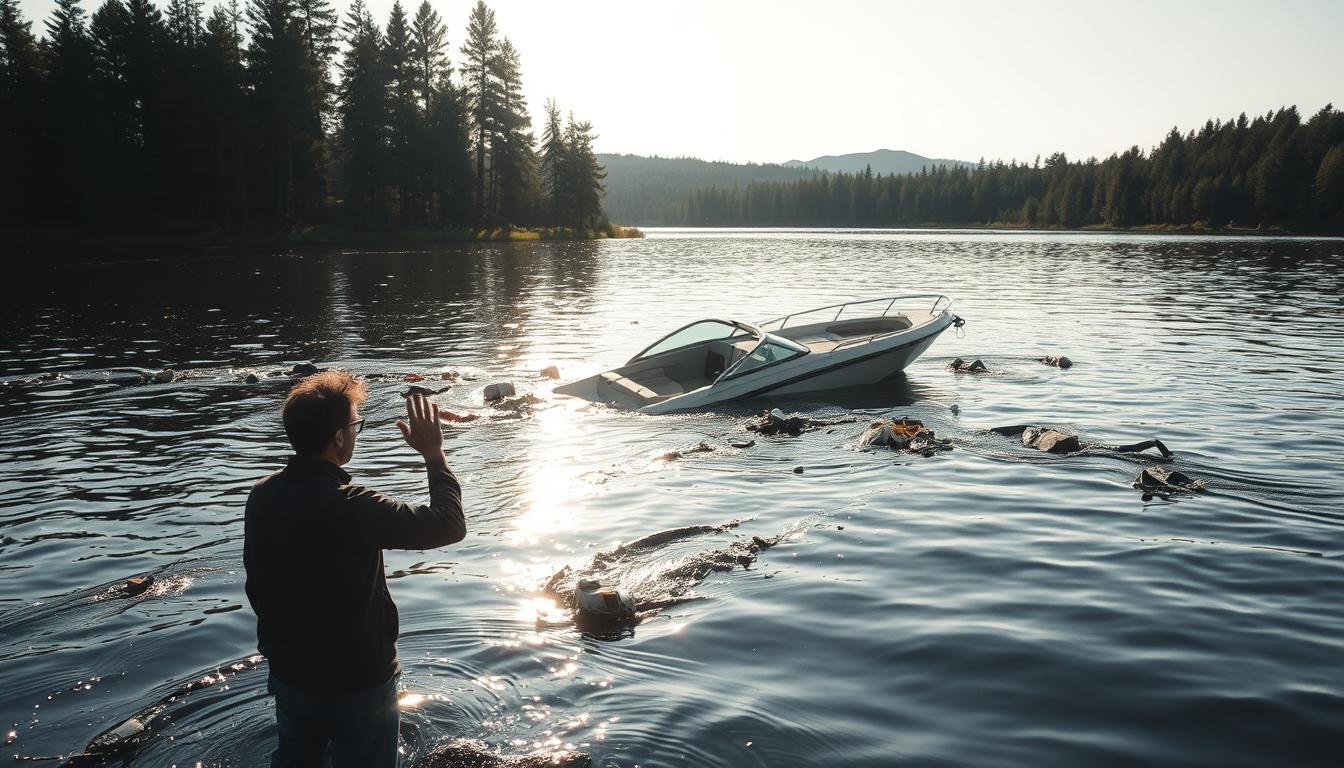
Surprising fact: The U.S. Coast Guard recorded 564 fatalities in 2023, and 75% were drownings—many victims were not wearing life jackets.
After an incident on the water, early words matter. What someone tells an insurer can shape the timing and value of any compensation and affect policy coverage in ways that differ from auto systems.
In Arizona, registered vessels topped 123,000, and reported incidents rose from 90 to 123 in one year, underscoring why a disciplined post-event plan is essential.
Focus initial reports on clear facts: who, when, where, and visible harm. Preserve rights by avoiding speculation about fault or medical outcomes and by seeking a timely consultation with an attorney experienced in maritime matters.
Key Takeaways
- Give a concise notice with basic facts; avoid guessing about fault.
- You have the right to a medical evaluation and to delay recorded statements.
- Document everything and confirm submissions in writing.
- Quick insurer requests are common—use measured language and share records methodically.
- Early attorney consultation can protect rights and improve recovery prospects.
Understanding Boating Accidents Today: Risks, Rights, And Next Steps
Crowded Arizona waters can change a calm outing into an urgent situation in seconds. Lake Havasu, Lake Powell, Lake Mead, and Lake Pleasant see dense weekend traffic that raises collisions and docking hazards. Rivers such as the Colorado and Verde add currents and shallow areas that demand extra caution.
Arizona Waters, Real-World Risks, And Current Statistics
Nationally, the U.S. Coast Guard reported 564 fatalities in 2023. Alcohol was a factor in 17% of deaths and 75% were drownings, often when flotation devices were not used.
Local rules matter. Operators born after January 1, 1986, must carry a boating education card, and children under 13 may not operate a boat. Vessels must have a fire extinguisher and a visual distress signal device.
| Location Type | Common Hazards | Safety Priority | Recommended Action |
|---|---|---|---|
| Busy Lakes (Havasu, Mead) | Congestion, wake collisions | Lookout & speed control | Reduce speed; use sound signals |
| Rivers (Colorado, Verde) | Currents, shallow spots, visibility | Conservative speed & route planning | Follow cautious routes; monitor weather |
| Ramps & Docks | Close-quarter collisions | Slow approach; clear communication | Assign lookout; plan docking steps |
Top causes include operator inattention, inexperience, excessive speed, equipment failure, and sudden weather shifts. Each factor can turn a routine outing into an emergency quickly.
Know your rights. Boaters have a right to safe navigation and to pursue redress when negligence by others causes harm, while also bearing duties to follow safety rules and equip vessels properly.
Early steps—medical evaluation, thorough scene documentation, and proper reporting—strengthen any case. For a deeper look at common causes and outcomes, see common causes and outcomes.
What To Do Immediately After A Boating Accident
When events unfold on the water, a calm, ordered response preserves safety and key documentation.

Safety, Medical Care, And Reporting Requirements On The Water
Prioritize safety. Account for all passengers, deploy flotation devices, render first aid if trained, and move the vessel out of traffic if it is safe to do so.
Call for medical help right away. Head, spine, and internal injuries can appear later and affect recovery and records.
Preserving Evidence: Photos, Witnesses, And Official Reports
Document the scene with broad and close-up photos of hull damage, propellers, control panels, GPS tracks, shoreline markers, and any transferred paint or debris.
Record witness names, contact information, and short statements about what they saw. Keep copies of medical records and receipts for emergency expenses.
Arizona Reporting Thresholds And Deadlines After An Accident
Arizona law requires reporting when an event causes injuries or property damage over $500. Operators must notify law enforcement and file a report with the Arizona Game and Fish Department within five days.
| Condition | Reporting Deadline | Notes |
|---|---|---|
| Property Damage > $500 | 5 Days | File with police and AZ Game & Fish |
| Injuries | 5 Days | Document medical care and retain records |
| Fatality | 48 Hours | Immediate notification required |
- Capture environmental details: lighting, wave height, weather, and traffic patterns.
- Avoid admitting fault on scene; stick to facts when speaking with authorities.
- Verify required equipment—fire extinguisher and visual distress signals—was onboard and show proof of compliance.
Dealing With Insurance After A Boat Accident Injury Claim
An insurer’s early questions often shape how coverage and value are decided, so measured responses matter.

What To Say: Facts, Policy Details, And Documented Losses
Provide concise facts: date, time, location, vessels involved, visible injuries, and police or Game and Fish report numbers.
Reserve medical opinions for treating providers and keep statements factual and brief.
What To Avoid: Admissions, Speculation, And Minimizing Injuries
Avoid admitting fault, guessing about speed, or downplaying symptoms. Early minimization can reduce future compensation.
Recorded Statements, Quick Settlements, And Protecting Your Rights
Adjusters often request recorded statements and early settlements. Ask for questions in writing or delay until records and medical evaluations are complete.
Consult an attorney before signing releases or accepting fast offers to protect long‑term rights.
Using Evidence To Support Liability, Damages, And Coverage
Share calibrated photos, witness contacts, repair estimates, and official reports to substantiate liability and damages without oversharing unrelated history.
| Action | Why It Helps | Practical Tip |
|---|---|---|
| Document Photos & Logs | Anchors timing and damage | Timestamp images and keep originals |
| Limit Medical Releases | Protects unrelated records | Authorize only relevant dates/providers |
| Record Insurer Contacts | Creates an audit trail | Save emails, write call summaries |
For guidance on negotiating with carriers, see dealing with insurance companies.
Liability, Negligence, And The Claims Process In Arizona
When a collision or equipment failure occurs, tracing the sequence of choices reveals where negligence likely lies.

Common Causes: Inattention, Speed, OUI, Weather, And Equipment Failure
Negligence is a breach of the duty to use reasonable care — such as maintaining a lookout and using safe speed — that leads to damage or harm on Arizona waters.
Typical causes include operator inattention, inexperience, excessive speed, equipment failure, alcohol influence, and adverse weather.
Each cause maps to common collision scenarios: poor lookout leads to side impacts, speed increases severity, and failures in steering or propulsion can make avoidance impossible.
Who May Be Liable: Operators, Owners, Rental Companies, And Manufacturers
Liability can attach to multiple parties. Operators who ignore navigation rules are often primarily responsible.
Owners who entrust vessels to unqualified users, rental firms that skip maintenance or safety briefings, and manufacturers with defective components may share liability.
In some cases, passengers whose distracting conduct contributes to the event may also bear partial responsibility.
Timelines And Fault: Statute Of Limitations And Comparative Negligence
Arizona typically requires a lawsuit to be filed within two years of the event. Missing that deadline can bar recovery.
The state follows comparative negligence. A plaintiff can recover even if partly at fault, but damages are reduced by the fault percentage.
- Investigation and evidence gathering (photos, maintenance records, electronic logs).
- Notice to insurers and valuation of property damage and bodily harms.
- Negotiation or filing suit within the two‑year statute.
| Phase | Why It Matters | Practical Tip |
|---|---|---|
| Evidence Preservation | Anchors timing and conduct | Save GPS logs, photos, and repair invoices |
| Liability Analysis | Identifies responsible parties | Document operator qualifications and maintenance |
| Timelines | Legal limits to sue | File within two years; track deadlines |
Experienced evaluators link causes and failure modes to specific breaches of duty. That work improves accuracy when apportioning liability and quantifying damages.
For deeper legal context on liability and specific negligence issues, consult this summary on boating accident liability and this primer on understanding negligence in boating injury claims.
Compensation, Damages, And How Attorneys Maximize Recovery
When damages span past bills, future care, and quality‑of‑life losses, a focused strategy yields better compensation. This section explains what can be recovered and how experienced counsel builds a convincing demand.

Medical Bills, Lost Wages, Property Damage, Pain And Suffering
Recoverable categories include emergency care, surgeries, rehabilitation, and ongoing life‑care expenses. Past and future lost wages are compensable when supported by pay records and vocational analysis.
Property losses cover repair or replacement of vessels and equipment, diminished value for high‑end hulls, and electronics replacement costs. Non‑economic damages include pain, suffering, and emotional distress.
How Experienced Lawyers Strengthen Your Case
Attorneys maximize recovery by starting investigations early, preserving evidence, and consulting experts such as marine engineers and life‑care planners.
- Use medical records, imaging, and specialist notes to link damages to the event.
- Value non‑economic losses via multiplier or per‑diem methods tied to recovery length.
- Leverage clear liability narratives and independent appraisals in negotiations.
Timing matters: counsel will advise when filing a lawsuit protects leverage and complies with deadlines while still pursuing settlement.
For a practical overview of recoverable compensation and negotiation tactics, see this primer on what you can recover and this legal guide to personal injury law for boating incidents.
Conclusion
Swift reporting, thorough evidence, and medical follow‑up form the foundation of a strong legal response. After a boat accident, prioritize safety, document the scene, seek prompt medical care, and meet Arizona reporting deadlines to preserve rights and maximize compensation.
Liability often turns on causes such as inattention, speed, equipment failure, or alcohol. Precise records, witness statements, and expert analysis help prove negligence and damages in complex cases involving multiple parties. Lawyers guide negotiations, protect statute deadlines, and file a lawsuit when needed.
Organize records now, maintain treatment, and schedule a consultation to review timelines, policy terms, and case strengths so decisions on settlement or litigation are informed and timely.
FAQ
What should someone say to an insurance adjuster after a boating incident?
They should give basic facts: date, time, location, vessel details, and contact information for other parties and witnesses. They must provide policy numbers and a brief, factual description of events without admitting fault or speculating about causes. Refer any questions about medical treatment or long-term losses to legal counsel before giving recorded statements.
What should be avoided when speaking to insurers or other parties?
Avoid apologies, guesses about fault, and downplaying pain or visible harm. Do not sign releases or accept quick settlement offers without documentation of medical care and property damage. Refrain from posting details or photos on social media that could be used to undermine a claim.
What immediate steps should someone take after a collision on Arizona waters?
Ensure safety: move to a safe location, check for injuries, and call 911 if needed. Provide aid, exchange contact and insurance information, and gather witness names. Obtain an official report from the Arizona Game and Fish Department or local law enforcement when required.
How should evidence be preserved at the scene?
Take photos of vessel positions, damage, weather, lighting, and visible injuries. Record witness statements and contact details. Keep all medical records, repair estimates, invoices, and any correspondence with insurers. Avoid altering the scene unless necessary for safety.
What are Arizona’s reporting requirements and deadlines after a collision?
State law requires reporting collisions that cause injury, death, or substantial property damage. Individuals must notify law enforcement or the Arizona Game and Fish Department promptly. Follow up with written reports to insurers per policy timelines and be aware of the statute of limitations for filing civil actions.
Who can be held liable in a boating incident?
Liability may attach to operators, registered owners, rental companies, and manufacturers if misconduct, negligence, or defective equipment contributed to the event. Employers can face vicarious liability when operators acted within the scope of employment.
What are common causes of collisions on recreational waters?
Frequent causes include operator inattention, excessive speed, operation under the influence (OUI), poor weather or visibility, improper lookout, and mechanical or equipment failure. Each factor can affect fault and recovery in a legal claim.
How do recorded statements and quick settlement offers affect rights?
Recorded statements can lock in damaging admissions if given without counsel. Quick settlement offers often undervalue future medical needs and pain and suffering. Individuals should consult an experienced maritime or personal injury attorney before accepting offers or giving formal statements.
What types of compensation are available after a serious collision?
Recoverable damages typically include medical expenses, lost wages, property repair or replacement, and non-economic losses such as pain and suffering. In limited cases, punitive damages apply for gross negligence or willful misconduct.
How do lawyers strengthen a waterway case and maximize recovery?
Experienced attorneys gather evidence, work with marine engineers and medical experts, calculate present and future losses, negotiate with insurers, and litigate when necessary. They ensure claims meet procedural deadlines and apply Arizona’s comparative negligence rules to protect the client’s interests.
What is Arizona’s comparative negligence rule and how does it affect recovery?
Arizona follows comparative fault, meaning a claimant’s recovery is reduced by their percentage of fault. If a court finds a person 20% responsible, their total damages are cut by 20%. Understanding and minimizing assigned fault is critical to maximizing net recovery.
When should someone consult an attorney after a collision on the water?
Consult an attorney promptly when injuries are significant, liability is disputed, insurers pressure for early settlement, or complex issues—such as vessel defects or rental agreements—are involved. Early counsel helps preserve evidence, protect rights, and build a stronger case. important to be vigilant and proactive in pursuing your claim.
Disclaimer: The content of this article is for informational purposes only and does not constitute legal advice. The information provided is based on general research and is not intended to be a substitute for professional legal advice or consultation with a qualified attorney. Always consult with a lawyer regarding your specific legal situation.
Related Articles
- Comparative Fault in Boating Injury Claims: How It Affects Your Compensation
- Boating Under the Influence (BUI) and Injury Claims: How Alcohol Affects Liability
- Dealing with Insurance Companies in Boating Injury Claims
- Liability in Boating Accidents: Who Can Be Held Responsible for Injuries?
- Statute of Limitations for Boating Injury Claims: What You Need to Know
More from This Category
- Boating Injury Compensation: What You Can Recover
- Understanding Negligence in Boating Injury Claims
- What to Do After a Boating Injury: Immediate Steps to Protect Your Rights
- Common Causes of Boating Injuries and How They Impact Your Claim
- How to File a Boating Injury Claim: A Step-by-Step Guide