
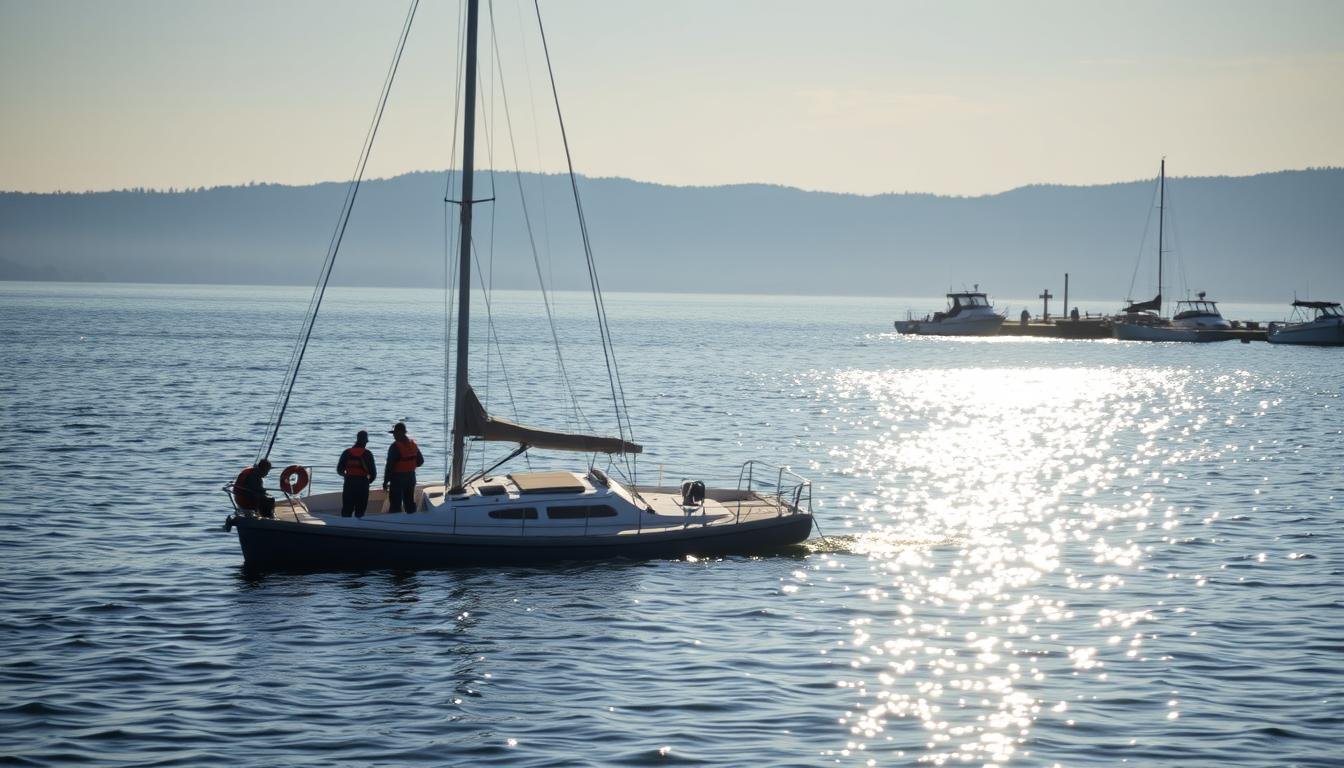
More than a few reported results show that boat accident injury settlements can range from several hundred thousand dollars into the multimillion-dollar bracket — depending on fault, medical impact, and negotiation strategy.
Every case involves unique circumstances: inexperience, speeding, equipment failure, and lookout lapses often shape liability. The negotiation process hinges on negligence, available insurance, and clear medical documentation.
Timely attention to evidence and care improves credibility. Investigators will identify at-fault parties and quantify damages with medical and economic records to build a persuasive claim.
Negotiations usually begin with a demand and move through insurer responses, offers, and counteroffers. Preparing for court often increases leverage and can lead to better results.
For a deeper look at how negotiation steps and insurer tactics play out, see a detailed guide on the negotiation process at how boat accident injury settlements are.
Key Takeaways
- Outcomes vary widely; expect ranges, not averages.
- Liability evidence and injury documentation drive value.
- Early medical care and organized records strengthen a claim.
- Insurance limits and applicable law affect recoverable damages.
- Preparing for trial often increases settlement leverage.
Boat Accident Injury Settlements: How Negotiations Work And What To Expect
A clear timeline helps victims and counsel know when to press for a fair resolution.
The Claims Timeline From Injury To Settlement Talks
From the day of the incident the process moves through investigation, medical documentation, insurance notice, a written demand, and negotiation rounds.
If talks stall, the plaintiff’s lawyer may file a personal injury lawsuit to obtain discovery and depositions that increase leverage.
Who Is At The Table: Injured Parties, Insurance Companies, And Lawyers
The injured party and their lawyer present damages and records. An adjuster reviews liability and policy limits. Defense counsel defends the insured and negotiates value.
When Cases Settle Versus Go To Court Under Maritime And State Law
Most boating accident claims resolve when liability is clear and damages are documented. Cases on navigable water may invoke federal maritime law, changing venue and precedent.
State tort law governs many incidents on inland water and affects timing and remedies. Counsel times talks after key treatment milestones and may file suit to force discovery or to prompt a fair offer.
Negotiation Elements
- Investigation & evidence strength
- Medical records and future care estimates
- Policy limits and legal forum
| Phase | Typical Timeframe | Key Actions |
|---|---|---|
| Investigation | Weeks to months | Collect reports, photos, witness statements |
| Demand & Negotiation | 1–6 months | Submit demand, exchange offers, negotiate |
| Filing Lawsuit | If needed after negotiation | Start discovery, depositions, pretrial motions |
| Resolution | Months to years | Settlement or trial verdict |
For a focused guide on preparing demands and evaluating offers, see boating injury settlements.
Key Factors That Affect Compensation After A Boating Accident
Boating accident value starts with clear proof of fault, then follows the scale of harm and available coverage.
The first focus is liability and negligence. Operator inattention, alcohol use, excessive speed, and failure to follow navigation rules show who may be held liable.
Liability And Negligence: Operator Error, Alcohol, And Inattention
Documentation of operator conduct is crucial. Witness statements, log entries, and toxicology reports tie conduct to cause.
Strong proof of negligence increases negotiation leverage and often raises the case value.
Severity Of Injuries, Medical Bills, And Lost Wages
Insurers total past and future medical costs and lost wages to set economic damages.
Those figures anchor non‑economic damages like pain and suffering.
Pain And Suffering, Disability, And Loss Of Enjoyment
Non‑economic harms often form the largest part of compensation when injuries are serious.
Disability, disfigurement, and reduced life activities are measured with testimony and expert reports.
Insurance Coverage, Policy Limits, And Property Damage
Available limits can cap real recovery even when injury damages exceed them.
Adjusters may infer severity from property damage, but medical records can rebut that proxy.
Federal Maritime Issues: Jurisdiction, Damage Caps, And The Limitation Of Liability Act
When navigable water is involved, federal maritime rules may apply. The Limitation of Liability Act can let an owner seek recovery limits based on vessel value after the event.
That legal pathway changes strategy, venue, and potential damage caps.

| Factor | What Evaluators Look For | Typical Evidence | Impact On Value |
|---|---|---|---|
| Liability | Who caused the incident | Reports, witness statements, video | High — central to recovery |
| Medical & Economic | Bills, lost wages, future care | Medical records, pay stubs, expert life care plans | Direct dollar estimates |
| Non‑Economic | Pain, disability, loss of enjoyment | Testimony, expert evaluations | Often largest when injuries severe |
| Insurance & Jurisdiction | Policy limits, maritime caps | Policy documents, jurisdictional rulings | Can materially restrict payout |
For guidance on quantifying losses and filing a claim, see financial compensation for boating accident.
Proving Fault And Building Leverage With Evidence
Boating accident claims hinge on clear, organized proof. A focused evidence file can shift negotiations by making fault clear and measurable.
Coast Guard records, incident and first responder reports, and sworn witness statements create the factual timeline. These items identify parties and document initial observations.
Coast Guard Records, First Responder Reports, And Witness Statements
Official reports and witness testimony bind the narrative. A lawyer will preserve statements and photographs to prevent later disputes.
Photos, Videos, Maintenance Logs, And Boat Repair Records
Photos, video, AIS/GPS tracks, and maintenance logs corroborate mechanical issues or poor upkeep. Repair records can extend liability to owners or contractors when defects appear.

Expert Analysis On Causes: Speeding, Weather, Equipment Failures, And Navigation Hazards
Retained experts reconstruct causes—speed, visibility, equipment failure, or navigation hazards—and tie findings to operator negligence when appropriate.
| Evidence Type | What It Shows | Impact On Value |
|---|---|---|
| Coast Guard & Reports | Timeline and responsible parties | High |
| Photos/Videos/Tracks | Scene, speed, damage | High |
| Maintenance/Repair Logs | Neglect or defects | Moderate to High |
| Expert Reports | Cause, human factors, future care | High |
Early preservation of evidence and consistent lawyer communication with insurers speeds negotiation and improves the chance of a fair resolution. For legal next steps see what to do legally after a boat.
Valuing Your Boating Accident Case: Ranges, Case Types, And Real-World Outcomes
Boating accident valuation begins when a lawyer converts medical records and lost income into a defensible dollar range.
How Lawyers Calculate Economic And Non-Economic Damages
Economic damages add up verified medical bills, rehab costs, and lost wages. Experts project future care and reduced earning capacity.
Non‑economic damages cover pain, suffering, emotional trauma, disability, and reduced quality of life. Attorneys use comparables, multipliers, and jurisdiction norms to estimate those sums.

Serious Injury And Wrongful Death: From Propeller Strikes To Drowning
Severe injuries—TBI, amputations, spinal damage, and deep lacerations—drive high damage figures due to long-term care needs.
Wrongful death claims may include funeral costs, lost income, and loss of companionship. These elements are supported with expert life‑care and economic reports.
Illustrative Settlements And Verdicts That Inform Negotiation Strategy
There is no official average; outcomes range from modest verdicts to multimillion-dollar recoveries. Venue and applicable law, including maritime rules, shape exposure and remedies.
| Case Type | Typical Damages | Illustrative Result |
|---|---|---|
| Propeller Amputation | High medical & future care | $23,000,000 verdict (CA) |
| Traumatic Brain Injury | Lifetime care, loss of earnings | $8,000,000 verdict (MD) |
| Wrongful Death | Funeral, income, consortium | $15,000,000 settlement (SC) |
| Collision / Moderate Injury | Medical bills, lost wages | $27,624 verdict (MN) |
Key Takeaway: A skilled legal team quantifies future loss with experts and targets the correct insurance and forum to maximize compensation. Contact a lawyer today to begin evidence collection and valuation.
Conclusion
Boat counsel turns organized proof into negotiation strength for injured claimants.
Clear liability evidence—Coast Guard records, first responder reports, photos, videos, and maintenance logs—directly increases settlement leverage.
Serious injuries and wrongful death claims require careful valuation of economic and non‑economic losses to ensure full accountability on the water.
Early engagement with experienced counsel improves evidence preservation, insurer communication, and the option to litigate if needed.
Documentation, treatment compliance, and organized communication speed timelines and improve outcomes. For guidance on what you can recover, see what you can recover.
FAQ
How are injury negotiations handled after a boating incident?
Negotiations begin once medical treatment and initial reports exist. The injured party, insurer, and attorneys exchange demand letters, medical records, and evidence. Each side assesses liability and damages, then negotiates a figure that covers medical bills, lost wages, pain and suffering, and property damage. If settlement talks stall, litigation or arbitration may follow under state or maritime rules.
What timeline should victims expect from injury to settlement talks?
The timeline varies by case complexity. Initial claims usually start within days to weeks after treatment. Insurers often require time to investigate—typically 30 to 90 days. Complex or catastrophic injury cases can take months or years to reach meaningful negotiations, especially if discovery, expert testimony, or federal jurisdiction are involved.
Who participates in these negotiations?
Parties at the table include the injured person or their representative, defense adjusters from insurance companies such as GEICO or Progressive, and attorneys for both sides. In wrongful death claims, family members or estate representatives join. Occasionally, mediators or maritime experts assist to resolve disputes outside court.
When will a case go to court instead of settling?
Cases go to court when parties disagree on liability, damages, or legal issues like maritime jurisdiction. Litigation commonly follows failed settlement talks, disputes over policy limits, or when a defendant invokes limitation of liability under federal law. Trials can establish precedent but take longer and carry more risk.
How does negligence affect the value of a claim?
Liability directly influences compensation. Proof of operator error, intoxication, speeding, or inattention strengthens a claim and increases leverage during negotiations. Shared fault can reduce recovery under comparative negligence rules in many states; clear documentation and witness statements minimize disputes over responsibility.
What role do medical bills and lost wages play in valuation?
Economic damages form the foundation of a demand. Past and expected future medical costs, documented lost wages, and diminished earning capacity are calculated precisely and supported by records. Strong economic proof reduces insurer resistance and sets a baseline for non-economic damages like pain and suffering.
How are pain, suffering, and loss of enjoyment quantified?
Non-economic damages are subjective but critical. Attorneys use injury severity, recovery prognosis, and lifestyle impact to justify figures. Multiplier and per diem methods are common: a medical-cost multiplier or a daily rate for suffering. Expert testimony and quality-of-life evidence bolster these valuations.
How do insurance policy limits affect settlement potential?
Policy limits cap what an insurer will pay. If damages exceed those limits, injured parties can pursue personal assets of an at-fault operator, vessel owner, or third parties. Identifying all liable parties and additional coverages—such as umbrella or commercial policies—maximizes recovery options.
When do federal maritime laws impact a claim?
Federal maritime law applies when incidents occur on navigable waters or involve commercial vessels. It can change negligence standards, statutes of limitations, and remedies. The Limitation of Liability Act can limit a vessel owner’s exposure, so timely legal counsel is essential to protect a claimant’s rights.
What evidence most strengthens a claim?
Strong claims rely on Coast Guard reports, first responder records, and witness statements. Photographs, helmet-cam or phone video, maintenance logs, and repair invoices create a clear factual record. Expert analyses on speed, mechanical failure, or navigation hazards provide technical support.
How do maintenance and repair records influence negotiations?
Maintenance logs and repair invoices show whether equipment failures, negligence in upkeep, or faulty parts contributed to the incident. Clear documentation can shift liability and increase settlement value by proving avoidable causes tied to the vessel owner or operator.
When are expert witnesses necessary?
Experts are vital in complex causation or damage cases. Naval architects, marine surveyors, accident reconstructionists, and medical specialists explain technical issues like propeller injuries, structural failures, or long-term impairments. Their reports create leverage and educate adjusters or juries.
How do attorneys calculate economic and non-economic damages?
Lawyers total documented economic losses—medical costs, rehabilitation, lost wages—then estimate future needs. They add non-economic losses based on injury severity, prognosis, and lifestyle impact. Settlement strategy balances a reasonable demand against insurer tactics and likely court outcomes.
How do serious injuries or wrongful death cases differ in valuation?
Catastrophic injuries and fatalities raise damages significantly due to long-term care, lost future earnings, and profound pain and loss. Wrongful death claims factor in funeral expenses, loss of consortium, and survivor support. These cases frequently require extensive expert testimony and can yield higher awards.
Are there typical settlement ranges or illustrative outcomes?
Outcomes vary widely. Minor injury claims often resolve for medical bills and modest pain-and-suffering amounts, while catastrophic or wrongful death cases reach much higher figures. Past verdicts and settlements serve as benchmarks, but each claim depends on unique facts, liability, and jurisdiction.
How should an injured person preserve evidence immediately after a hit on the water?
Preserve evidence by documenting injuries and scene details: take photographs, record witness contact information, seek a Coast Guard or police report, and retain medical records. Avoid posting detailed statements on social media. Early preservation preserves leverage during negotiations.
When should someone contact an attorney after a maritime incident?
They should consult counsel promptly—ideally within days—especially if injuries are significant, liability is disputed, or federal issues are possible. Early legal involvement protects rights, preserves claims against deadlines, and helps collect crucial evidence like maintenance logs and witness statements.
Disclaimer: The content of this article is for informational purposes only and does not constitute legal advice. The information provided is based on general research and is not intended to be a substitute for professional legal advice or consultation with a qualified attorney. Always consult with a lawyer regarding your specific legal situation.