
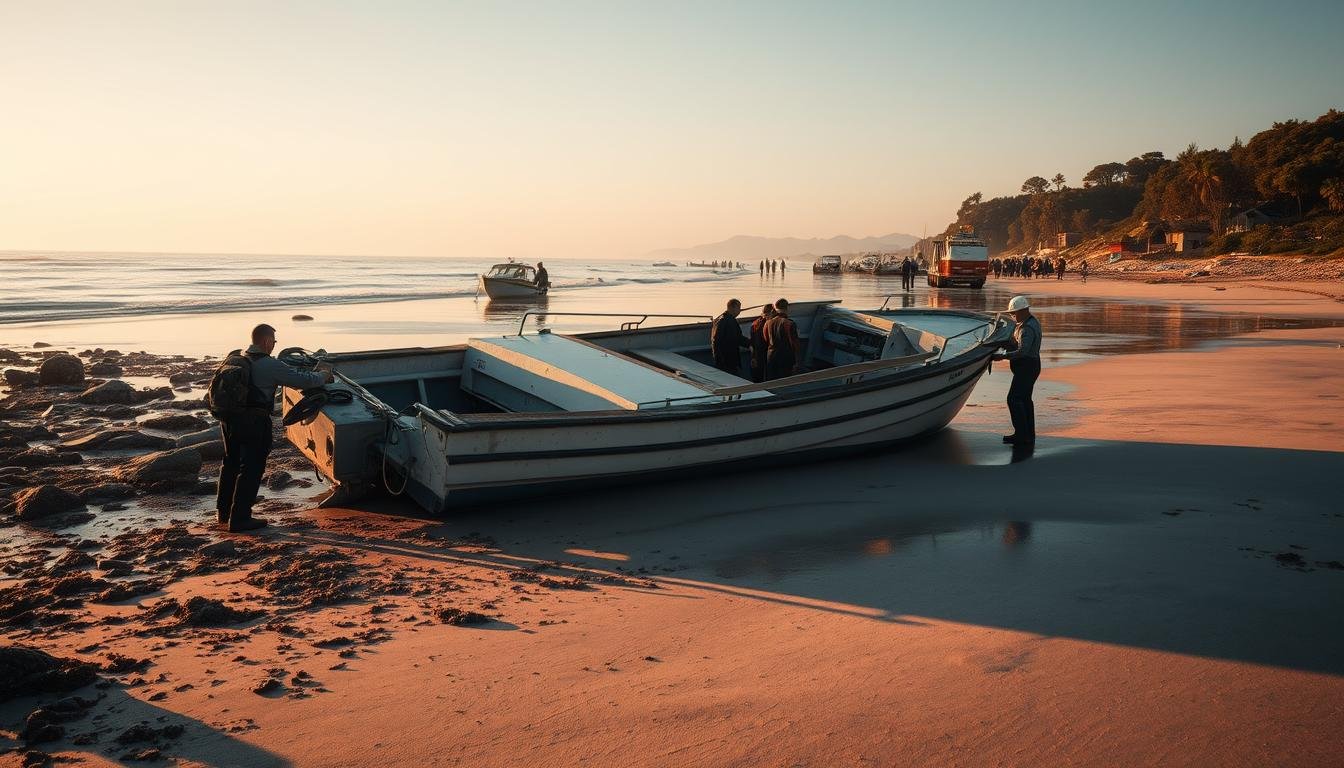
In 2024, the United States Coast Guard recorded 3,887 boating incidents, including 2,170 non‑fatal injuries and 556 fatalities nationwide. With that scale of harm, medical documentation isn’t just helpful — it’s foundational to successful boat accident injury claims. Without clear, timely records, even legitimate injuries can be undervalued or denied during the compensation process.
Comprehensive medical records do more than list treatments. They tie symptoms to the accident mechanism, show treatment timelines, and support valuation for both economic and non‑economic compensation.
Organized records—from EMS and ER notes to imaging, therapy, and bills—help prove causation and reduce disputes over medical necessity. Strong documentation increases negotiating leverage and the odds of a fair settlement.
Later sections will explain legal requirements, Florida reporting rules, and step‑by‑step actions to protect a case. Readers can also review practical guidance on documenting a personal injury at how to document your personal injury and detailed medical record lists at medical records for boat accident cases.
Key Takeaways
- Medical records are decisive: they link treatment to the event and bolster damages.
- Collect EMS, ER, imaging, physician, therapy, and billing records promptly.
- Consistency in symptoms, follow‑ups, and treatment increases credibility.
- Clear documentation narrows disputes over liability and medical necessity.
- A well‑organized record set improves negotiation power and case outcomes.
Why Medical Documentation Determines The Value Of Your Claim
Well-documented clinical records act as the bridge between what happened on the water and the medical facts a jury will trust. Timely EMS narratives, ER histories, and imaging reports connect the mechanism of a boating accident to specific diagnoses. That link is central when assessing causation and monetary value.
How Records Prove Causation, Severity, And Damages
Objective findings such as CT or MRI results, Glasgow Coma Scale scores, and wound depth document severity. These entries support both economic losses like medical bills and non‑economic damages such as pain and suffering.
Progress notes and differential diagnoses build a clear timeline. Consistent symptom reports across visits help refute insurer arguments about pre‑existing conditions.
Linking Injuries To Specific Boating Mechanisms (Collision, Swamping, Falls Overboard)
USCG and FWC data show leading accident mechanisms—collision, swamping, and falls overboard—match predictable injury patterns like fractures, TBIs, spinal harm, and near‑drowning. Precise mechanism descriptions in clinical notes that mirror scene reports increase credibility when liability or vessel involvement is disputed.
Well‑organized medical files reduce uncertainty and promote earlier, fairer negotiations. When functional limits and future care needs are tied to clinical findings, wage loss and prognosis become easier to quantify. For more on how records influence a case, review the role of medical records.
Medical Records You Should Gather And Preserve
Gathering the right medical files quickly ensures a clear timeline of treatment and costs. A complete set of documents makes it easier to prove care was necessary and related to the event.

Emergency Care: EMS Run Sheets, ER Records, Imaging (CT/MRI/X‑Ray)
Preserve EMS run sheets, triage notes, ER physician records, and all imaging reports. These items show initial findings and any urgent interventions.
Physician Notes, Differential Diagnoses, And Treatment Plans
Collect every treating clinician’s notes. Differential diagnoses and care plans document clinical reasoning and rule-outs that support causation.
Operative Reports, Hospital Discharge Summaries, And Medication Logs
Operative and anesthesia records, plus discharge instructions and med lists, prove what procedures and follow‑up care occurred.
Physical Therapy, Rehab, And Assistive Device Prescriptions
Therapy notes, ADL limits, and device prescriptions quantify functional loss and ongoing needs.
Psychological Evaluations For Trauma, Anxiety, Or PTSD
Mental health records matter. Evaluations for trauma or PTSD can materially affect damages and care plans.
Billing Statements, EOBs, And Coding Records To Substantiate Costs
Compile bills, EOBs, CPT/ICD codes, and liens to document medical expenses and support valuation for any claim.
Photographic Evidence Of Injuries And Recovery Progress
Date‑stamped photos that mirror clinical notes help show severity and healing over time.
- Create a centralized file—digital and physical—to avoid lost records.
- Ensure scene descriptions in reports match clinical findings for better credibility.
- Seek prompt follow‑up medical attention and keep appointment logs to prevent gaps.
For details on recoverable costs and how documentation ties to compensation, review boating injury compensation.
Connecting Your Injuries To The Accident Scene Evidence
Linking clinical notes to on‑scene evidence turns scattered facts into a coherent causation narrative.

Integrating FWC/USCG Reports, Witness Statements, And Vessel Data
Medical narratives gain force when they mirror official scene reports and witness accounts. Review FWC and USCG findings for listed factors like operator inattention, improper lookout, speeding, alcohol use, and machinery failure.
Match EMS times, ER entries, and imaging to AIS/GPS logs and vessel inspection records. Preserve maintenance logs and equipment histories when machinery failure is suspected.
Weather, Wake, And Hazard Conditions Documented In Records
Document contemporaneous weather, tide, current, and wake details. Hazardous water or poor visibility often explains specific harm patterns and rebuts defense theories.
Include damage photos, hull or propeller markings, and scene images next to clinical notes. Consistency checks between photographs, imaging, and reported pain locations strengthen liability and speed negotiations.
- Collect witness contacts and signed statements that corroborate the mechanism and visible injuries at the scene.
- Capture EMS arrival and transport timelines to show immediacy between the event and care.
- Use operator citations for speeding or navigation violations as probative evidence of negligence.
Understanding Florida Law And Federal Maritime Law Requirements
Timely reporting to the right agency creates a contemporaneous record that courts and insurers rely on.
Florida law requires reporting events that involve death, disappearance, medical treatment beyond first aid, or property damage of $2,000 or more. Fatalities must be reported immediately. Deaths discovered within 24 hours, disappearances, or treatment beyond first aid must be reported within 48 hours. Other reportable thresholds have a 10‑day window.
The proper Florida contacts are the Florida Fish and Wildlife Conservation Commission, the county sheriff, or the local police department. Preserve copies of every filed report and any officer narratives; these documents dovetail with medical records to support causation and timing.
Accident Reporting To Florida Fish And Wildlife Conservation Commission
Report triggers include death, disappearance, significant medical treatment, and specified property damage amounts. Filing creates an official timeline that strengthens a personal injury case.
When Federal Maritime Rules And Jones Act Rights Apply
Federal maritime rules and USCG reporting may apply on navigable or offshore waters. Operators could have parallel federal duties to report similar thresholds directly to the Coast Guard.
The Jones Act gives maritime workers the right to sue an employer for workplace negligence and to seek maintenance and cure. This federal remedy coexists with state laws and can affect forum selection and recovery.
| Jurisdiction | Key Reporting Triggers | Practical Impact |
|---|---|---|
| Florida (FWC) | Death, disappearance, treatment beyond first aid, $2,000+ property damage | Creates official record; supports medical timelines and liability analysis |
| Federal (USCG) | Similar thresholds; applies on navigable/offshore waters | Can require direct reporting; influences federal forum and evidence scope |
| Jones Act (Federal) | Workplace injuries to seamen and crew | Allows suit against employer; provides maintenance and cure benefits |

Boat Accident Injury Claims: How Medical Proof Supports Liability
Medical documentation often reveals patterns that directly tie operator conduct to how harm occurred. Clear timelines, toxicology, and specific wound descriptions can show whether operator inattention, speed, or alcohol played a role.
Negligence Indicators: Operator Inattention, Improper Lookout, Speed, Alcohol
Clinical notes that record immediate complaints—head trauma after abrupt impact, fractures from sudden ejection, or bruising consistent with collision—align with USCG factors such as operator inattention and speeding.
Contemporaneous BAC tests, toxicology, and EMS narratives strengthen a liability theory. An accident lawyer uses these entries to match scene reports with medical severity and timing.
Product Liability Clues In Medical And Incident Records
Medical files can reveal product failure signs: burn patterns from electrical faults, electrocution markers, or trauma consistent with loss of steering. Linking those findings to maintenance logs or manufacturer defects supports legal action against makers or sellers.
| Evidence Type | What It Shows | Potential Defendant |
|---|---|---|
| Clinical Findings | Mechanism of injury; severity and timing | Operator, owner |
| Toxicology / BAC | Impaired operation at scene | Operator |
| Burn / Electrocution Marks | Electrical or engine failures | Manufacturer, maintenance provider |
| Maintenance Records | Foreseeability of machinery failure | Owner, rental company |
Well‑organized medical files increase leverage in negotiations and trials. When records consistently reflect the same mechanism across visits, defenses that cite intervening causes weaken.
Injury Profiles We Commonly See In Boating Accidents
A focused clinical summary that ties symptoms to a specific event makes records far more persuasive. This section defines common harm patterns, how clinicians document them, and why those entries matter for later review.

Traumatic Brain Injuries, Spinal Harm, Fractures, Burns, And Near-Drowning
TBIs and concussions appear as altered mental status, focal deficits, or persistent headaches. Providers document Glasgow Coma Scale scores, CT/MRI findings, and serial neuro exams to show severity.
Spinal cord trauma and fractures require imaging and neurologic testing. Operative reports, brace prescriptions, and rehab notes record how care progressed and what future needs exist.
Deep lacerations, burns, and internal organ damage show on operative reports and wound care logs. Near‑drowning produces hypoxic markers, pulmonary complications, and ICU notes that must be detailed.
Infections from contaminated water can complicate recovery; culture results, antibiotic regimens, and specialist notes are critical.
- Link profiles to mechanisms—collisions, swamping, or ejection—to strengthen causation.
- Document functional limits at work and daily living to support wage loss and non‑economic elements of a personal injury review.
- Coordinate specialists so records remain complete and consistent.
What To Do After A Boating Accident To Protect Your Medical Claim
Immediate, organized steps protect health and preserve a clear medical timeline. Seek safety, call for emergency help, and obtain prompt medical attention so clinicians can document findings tied to the event.
Seek Prompt Care And Follow-Up Appointments
Get evaluated right away. Early records show symptom onset and treatment necessity. Keep every referral and attend follow‑up visits to avoid gaps insurers may question.
Document Symptoms Daily And Keep All Referrals
Keep a dated symptom and pain log. Note changes, treatments, and how daily activities are affected. Store photos of visible wounds and scene images for consistency with clinical notes.
Coordinate Imaging And Specialist Care Without Gaps
Arrange ordered imaging and specialist consults promptly. Organized test orders, reports, and referrals form a cohesive pathway that supports medical necessity and any later legal action.
| Immediate Priority | Why It Matters | Practical Tip |
|---|---|---|
| Call 911 / USCG | Creates emergency response record | Note times and responder names |
| Report To FWC / Local Police | Establishes official incident timeline | Keep copies of filed reports |
| Preserve Photos & Logs | Matches scene to clinical notes | Store files securely and share with counsel |
For step‑by‑step guidance on immediate actions, review what to do after a boating. Use life jackets and follow safety protocols—those factors appear in reports and can affect liability. Avoid recorded statements to insurers before consulting an attorney to protect the integrity of the case.
Using Medical Records To Calculate Damages And Settlement Value
Itemized medical files and provider plans turn clinical facts into a defensible monetary demand. Adjusters and mediators rely on clear past costs and credible future projections when valuing a settlement or compensation package.
Billing statements, CPT/ICD coding, and operative reports create past medical specials. Provider treatment plans and life care evaluations support future cost estimates and the need for ongoing care.
Past And Future Medical Expenses, Lost Income, And Pain And Suffering
Lost income and diminished earning capacity are calculated from wage records and physician work restrictions. Functional capacity evaluations help quantify long‑term loss of earning potential.
Non‑economic damages such as pain and suffering and emotional distress are tied to diagnosis, treatment intensity, and duration. Clear timelines and consistent notes raise settlement ranges for more severe injuries.
| Damage Type | Supporting Records | How It Affects Value |
|---|---|---|
| Past Medical Expenses | Bills, EOBs, operative reports | Directly sums into settlement demand |
| Future Care | Life care plan, expert affidavit | Inflates present value for long‑term needs |
| Lost Earnings | Pay stubs, employer statements | Calculates wage loss and future earnings |
| Pain & Suffering | Progress notes, therapy logs | Multiplied factor based on severity and liability |
Track liens and subrogation to estimate net recovery. Counsel often uses expert testimony to justify future medical expenses in Florida and maritime matters. Organizing evidence chronologically and keeping clinical narratives consistent reduces disputes and speeds negotiations. For related guidance on negligence in maritime cases, review understanding negligence.
Deadlines, Reporting, And Case Evaluation In Florida
Deadlines and proper reporting form the backbone of any strong Florida case file. Prompt filings with the Florida Fish Wildlife system and local agencies preserve evidence and create an official timeline.
Report Triggers, Filing Timeframes, And Why Early Reviews Matter
Florida requires reporting when an event results in death, disappearance, medical treatment beyond first aid, or property damage of $2,000 or more.
Fatalities must be reported immediately. Serious injuries, deaths discovered within 24 hours, or disappearances need filing within 48 hours. Other reportable incidents have a 10‑day window.
Statutes, Early Case Evaluation, And Legal Coordination
Statute of limitations under Florida law is generally two years. Maritime law extends some actions to three years. Cruise‑related windows can be six months to one year.
Early case evaluation helps identify whether federal maritime rules apply, preserves witness evidence, and coordinates medical documentation. Scheduling a free consultation with experienced accident lawyers ensures deadlines are met and records are preserved.
| Jurisdiction | Report Trigger | Timeframe |
|---|---|---|
| Florida / Conservation Commission | Death, serious treatment, $2,000+ damage | Immediate / 48 hours / 10 days |
| Federal Maritime | Similar thresholds on navigable waters | Varies; consult counsel |
| Cruise Lines | Passenger injury or loss | Shorter notice periods |
Save confirmation numbers, report receipts, and copies of filed reports. Those records strengthen negotiating positions and help an accident lawyer keep the case on track before critical dates lapse.
Conclusion
Organized health records and quick filings with the conservation commission create the foundation for stronger recovery. Meticulous documentation ties clinical facts to scene reports and improves outcomes in boat accidents and boating accidents across Florida.
Residents of Palm Beach and other counties should report to FWC and preserve notes, photos, and treatment logs. Use life jackets and follow safety steps to reduce risk and bolster official records when an accident occurs.
To maximize compensation, document medical expenses, lost income, and functional limits. An experienced accident lawyer can review the case and pursue settlement or litigation. Schedule a free consultation to review options; contingency fees often mean no payment unless win.
FAQ
What medical records are most important to support a maritime or Florida personal injury claim?
Emergency medical reports, emergency medical services run sheets, ER records, imaging studies (CT, MRI, X‑ray), operative notes, hospital discharge summaries, medication records, and physical therapy documentation are critical. These items prove the nature and extent of harm, link treatment to the incident, and substantiate past and projected medical costs under Florida law and applicable federal maritime rules.
How do medical records establish causation and the severity of harm?
Contemporaneous notes from physicians and emergency providers document symptoms, diagnoses, and treatment timelines that connect injuries to the event. Diagnostic imaging and operative reports confirm physical damage. Consistent records showing progressive care and referrals help demonstrate severity and ongoing need for treatment, which supports liability and damages calculations.
Should psychological evaluations be included in the case file?
Yes. Evaluations for anxiety, post‑traumatic stress, and other mental health conditions are admissible and often essential. They establish non‑economic damages and show how the incident affected daily life, work capacity, and long‑term recovery plans under both state and maritime standards.
How can billing statements and EOBs strengthen a claim for compensation?
Itemized bills, explanation of benefits, and coding records verify the cost of care and payments made. They create a clear financial trail for past medical expenses and help experts estimate future treatment costs, which are central to settlement value and trial awards.
What role do witness statements and FWC or USCG reports play alongside medical proof?
Agency reports from Florida Fish and Wildlife Conservation Commission or U.S. Coast Guard, along with witness accounts and vessel data, tie the scene facts to clinical findings. These records help reconstruct causation — for example, collision, swamping, or falls overboard — and corroborate timing and mechanism of injuries documented in medical files.
When must an incident be reported to the Florida Fish and Wildlife Conservation Commission?
Florida law requires reporting of certain incidents involving serious bodily harm, deaths, or vessels that require towing. Prompt reporting preserves evidence and complies with statutory duties; failure to report may affect an insurer’s perception of credibility and can complicate legal obligations during case evaluation.
How do federal maritime rules and the Jones Act affect record gathering for commercial vessel cases?
Federal maritime law, including the Jones Act for seamen, imposes specific duties and standards for employer negligence and maintenance and cure. Medical records for crewmembers should document on‑duty status, employer notifications, and work history to support claims under maritime statutes and to prove entitlement to benefits and damages.
What steps should an injured person take immediately to protect medical evidence and future compensation?
Seek prompt medical attention and fill out all provider records accurately. Keep copies of every report, imaging, prescription, and referral. Document symptoms daily, preserve clothing or gear, and obtain scene reports from FWC or USCG. Early coordination with a knowledgeable attorney ensures records remain complete and admissible for liability and damages assessments.
How are future medical costs and lost income calculated from medical documentation?
Experts review clinical records, treatment plans, and prognosis to estimate reasonable future care and associated costs. Employment records and medical evidence of disability or limitations inform lost wages and diminished earning capacity calculations. Well‑documented, contemporaneous records increase the reliability of these projections during settlement or trial.
Can photographic evidence of injuries affect the value of a claim?
Yes. Time‑stamped photographs showing injuries, healing progression, and property damage provide visual corroboration of medical records. Paired with clinical notes and imaging, photos strengthen claims of severity and recovery trajectory, influencing settlement negotiations and jury perceptions.
How soon should a victim seek legal review of their case in Florida?
Early consultation with an experienced maritime or personal injury attorney is advisable. Statutes of limitations and reporting triggers vary by circumstance; prompt legal review helps preserve evidence, meet filing deadlines, and align medical documentation with legal strategies to maximize compensation.